The Under 16 Social Media Ban Is Coming. So What Will Children Do Instead?
There is a big conversation happening across the UK right now.
The government has announced plans to ban social media for children under 16, with the aim of protecting young people from online harm, pressure, comparison, harmful content and the endless scroll that can take over so much of childhood.
For many parents, this news may feel like a relief. For others, it may raise a much bigger question.
If children are spending less time online, what will fill that space?
Because removing social media is only part of the answer. Children still need connection. They still need friendship. They still need confidence. They still need somewhere to express themselves, feel part of something and build a stronger sense of who they are.
That is why hobbies matter more than ever.
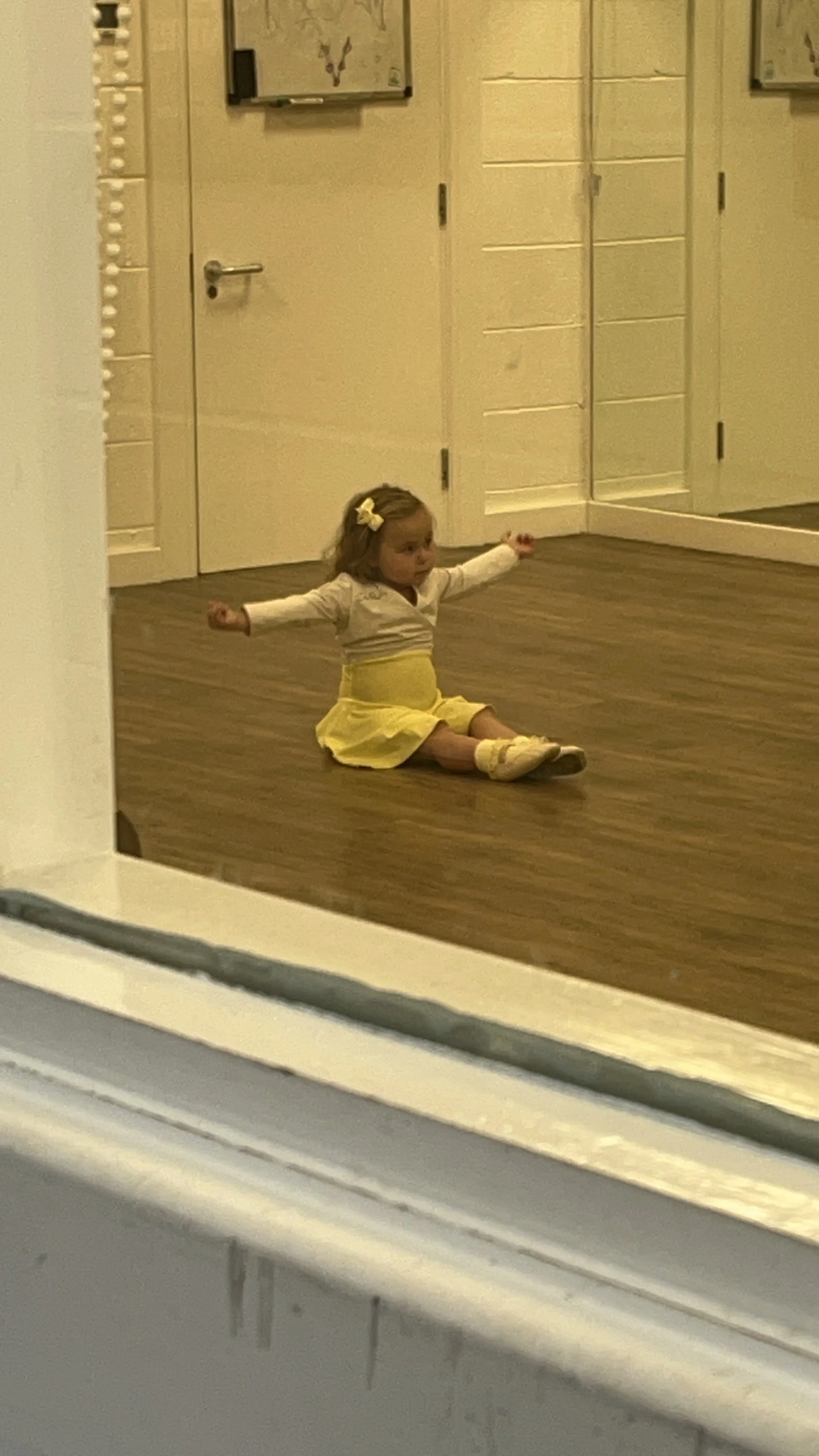
And for many children, dance could be one of the most powerful places to start.
Childhood needs more than screen time
Social media has become part of everyday life for many young people. It can be entertaining, social and creative, but it can also bring pressure, comparison and constant distraction.
A child can scroll for an hour and come away feeling overstimulated, unsettled or not quite good enough.
A dance class offers something very different.
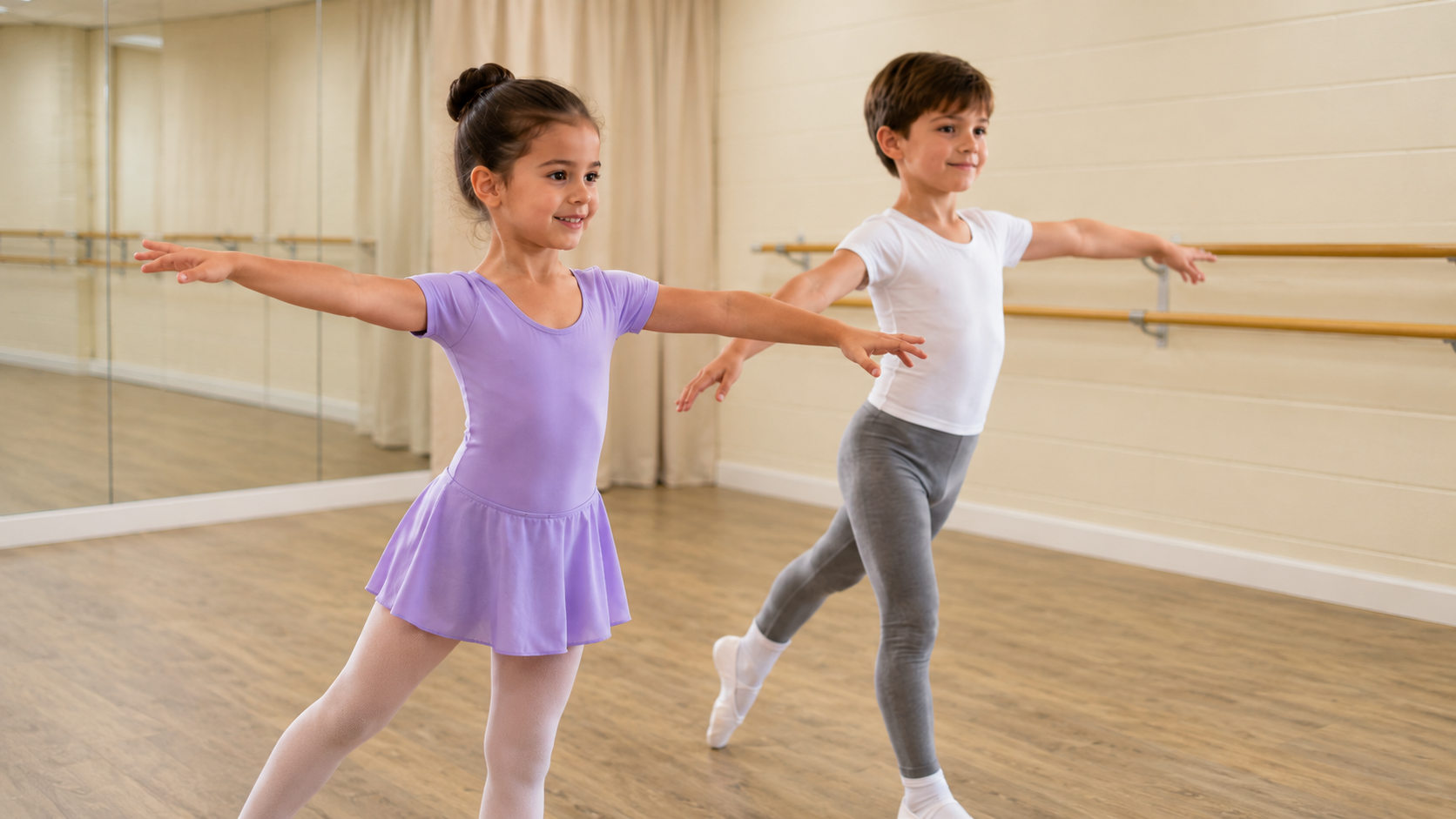
It gives children a real room, real friendships, real movement and real achievement. It gives them the chance to focus, listen, try again, improve and feel proud of their progress.
In a world where so much is instant, dance teaches children that progress is built step by step.
That lesson is priceless.
Dance gives children confidence that does not depend on likes
One of the biggest challenges with social media is that children can start measuring themselves through likes, views, comments and comparison.
Dance builds confidence in a much healthier way.
A child learns a new step. They remember a routine. They stand a little taller. They perform in front of others. They pass an exam. They realise they are capable of more than they thought.
That kind of confidence lasts.
It is not about being the loudest in the room or the most confident child on day one. It is about giving each dancer the chance to grow in their own time, with encouragement, structure and expert teaching behind them.
At En Pointe, we see this transformation every week.
Children who begin quietly at the back of the class start to find their voice. Children who feel nervous about trying something new begin to take pride in their progress. Children who love to move discover discipline, focus and purpose.
Children need belonging, not just entertainment
A hobby is not just something to keep children busy.
At its best, it gives them a community.
Dance classes create friendships across year groups, schools and backgrounds. Children learn to support one another, celebrate each other and work together towards shared goals.
That sense of belonging is incredibly important, especially at a time when so much childhood connection happens through a screen.
A dance studio gives children somewhere to be seen for who they are, not for what they post.
Dance helps children use their bodies, not just their thumbs
Children need movement.
They need to jump, stretch, balance, turn, practise, strengthen and release energy in a positive way. Dance supports coordination, posture, flexibility, musicality and physical confidence, but it also supports emotional wellbeing.
For many children, movement becomes an outlet.
After a busy school day, dance can help them reset. It gives them structure without feeling like school. It challenges them without overwhelming them. It gives them a sense of achievement that feels real, because it is real.
No filter required.
The future belongs to children who can focus
One of the most valuable things any child can develop is focus.
Dance helps children practise exactly that.
They learn to listen carefully, remember corrections, repeat exercises, work towards exams, prepare for performances and understand that improvement takes commitment.
These are skills that reach far beyond the studio.
Confidence, discipline, resilience and focus help children in school, friendships, future training and life. That is why dance is not just an activity. It is a foundation.
So, what should children do instead?
If the under 16 social media ban makes families rethink screen time, it could also open the door to something better.
More movement.
More confidence.
More real friendships.
More creativity.
More time spent becoming, not just watching.
At En Pointe, we believe every child deserves the chance to discover what they are capable of. Whether they are taking their very first class or working towards advanced training, our aim is to help each dancer grow with confidence, care and ambition.
Social media may be changing.
Childhood still needs connection, expression and achievement.
Dance offers all three.
Book a trial class at En Pointe
If your child would benefit from a positive, structured and inspiring hobby, we would love to welcome them to En Pointe.
Explore our classes in York and help your child take their next step with confidence.